
In 1680, within the State Apartments of Holyroodhouse in Edinburgh, resided Mary of Modena; wife of the Duke of York, who had been exiled from London amid rising anti-Catholic sentiment. Having travelled extensively across continental Europe, she encountered Dutch traders carrying an exotic new beverage imported from China: tea.
In her Edinburgh drawing room, she sat sipping Chinese tea with her inner circle, effectively introducing the drink to Scotland. For generations, tea remained an exclusive luxury for aristocrats and high society, enjoyed strictly from delicate, hand-painted porcelain cups.
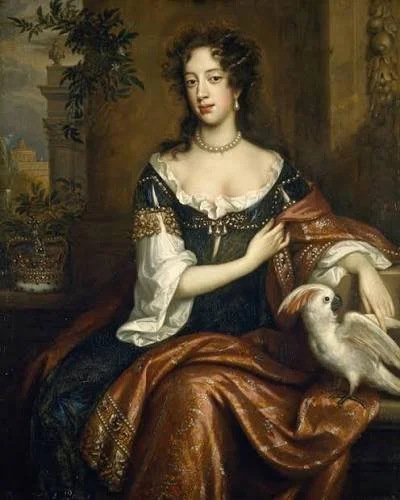
Source: National Gallery of Scotland. Mary of Modena.
Fast-forward to 1812, the birth year of Robert Fortune; a Scottish botanist who would later execute one of the greatest feats of corporate espionage in history.
At the time, Qing-dynasty China held a strict global monopoly on tea production. Britain traded Indian opium for Chinese tea, but without territorial control in China, the British East India Company had no leverage over prices, supply, or quality.
Hired by the East India Company in 1848, Fortune disguised himself as a Chinese merchant, shaved his head into a traditional queue, and infiltrated the forbidden interior regions of Wuyi and Zhejiang. At immense personal risk, he smuggled out over 20,000 viable tea plants and seeds in sealed glass Wardian cases, alongside experienced Chinese tea manufacturing workers.
He brought his botanical prize to the British-controlled Indian Himalayas in Darjeeling and Assam. This daring operation shattered China's millennia-old monopoly overnight and established the British Indian tea industry.
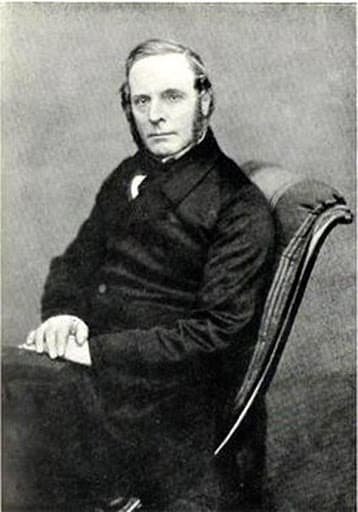
Robert Fortune
With affordable, high-quality leaves flowing into the British Empire, Scots didn't merely consume the drink; they built the global trade around it:
The Ocean Race: Scottish shipyards in Aberdeen and along the River Clyde designed the fastest merchant vessels on the water: the Tea Clippers. Famed ships like the Cutty Sark transported the season's first harvest back to British ports.
Master Blending: Scottish water is soft, making standard imported teas taste overly harsh. Edinburgh grocer Andrew Melrose pioneered regional tea blending to match local water chemistry.
Global Access: Gorbals-born Thomas Lipton purchased his own tea plantations in Ceylon (Sri Lanka), bypassing middlemen to sell high-grade tea directly to working-class families under the iconic tagline "Direct from the tea garden to the teapot."
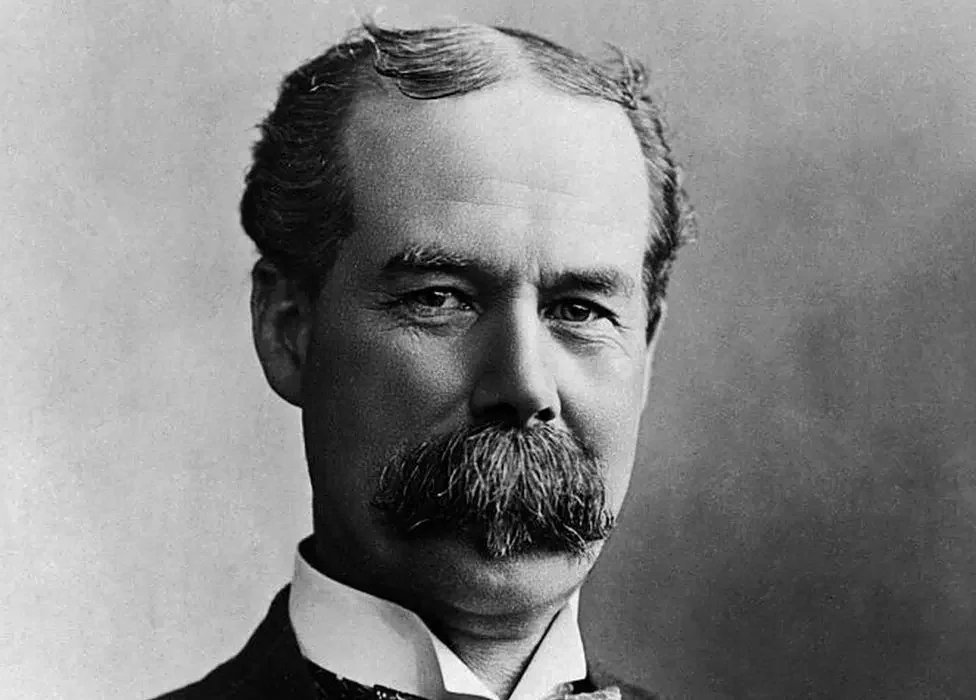
Source: Getty Images. Sir Thomas Lipton
Introduced by a royal exile and scaled by Scottish ambition, an exotic leaf from China became the daily brew of an entire nation.